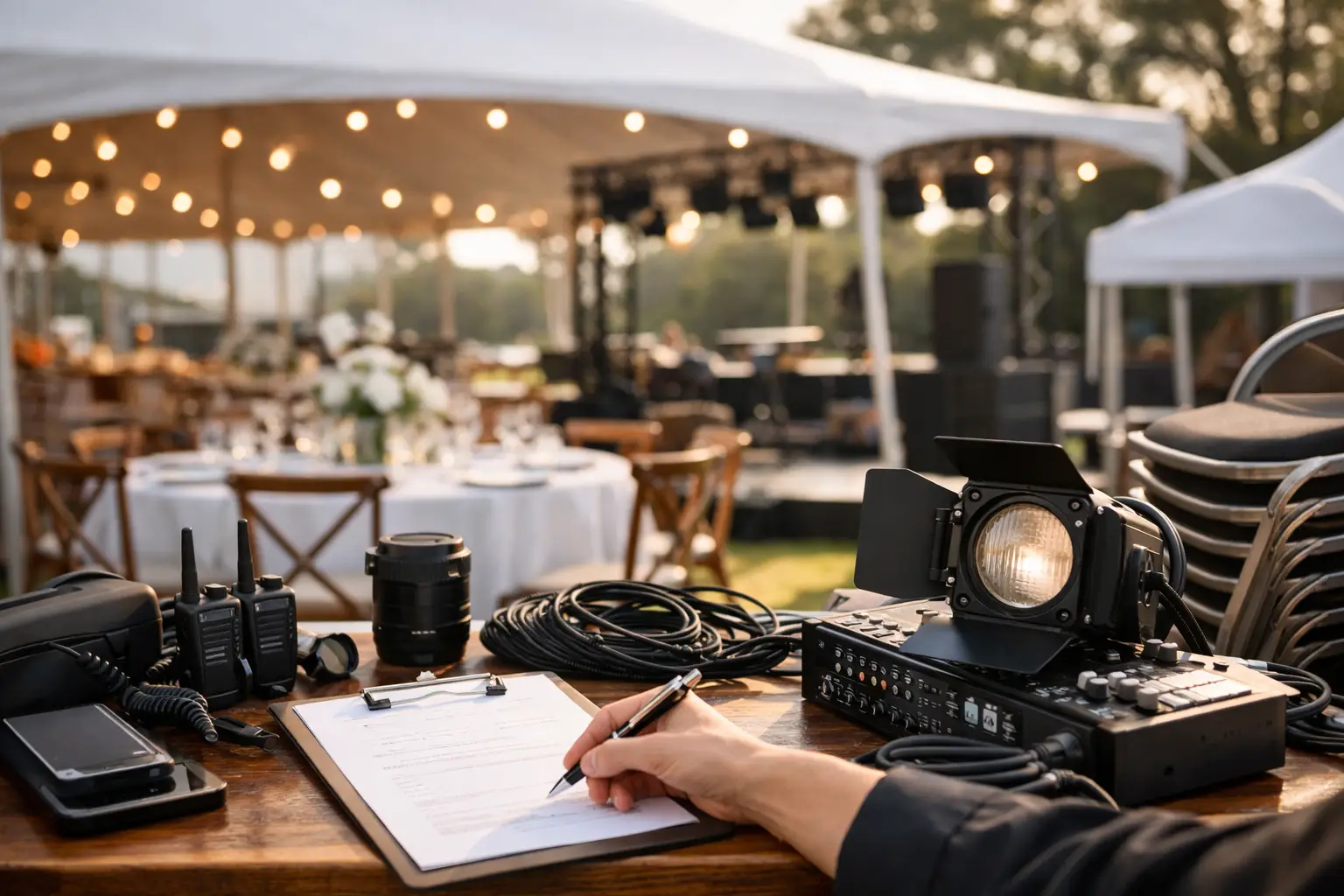
A marquee that suits the guest count, enough chairs for every place setting, lighting that works after sunset and a delivery slot that fits the venue: these are the details that become limited first. Knowing when to book hire equipment is less about following one fixed rule and more about protecting the elements your event cannot run without.
For a relaxed backyard lunch, some items may be available close to the date. For a wedding, gala or large-scale production, key decisions need to happen much earlier. The best approach is to reserve the essential infrastructure first, then refine the finishing details once your guest list, styling and run sheet are clearer.
When to book hire equipment in Australia
As a practical guide, begin the quote process as soon as you have an event date, approximate guest numbers and a location. For most private events, confirming equipment six to 12 weeks ahead provides a comfortable planning window. Weddings, peak-season celebrations and corporate events are best booked three to six months in advance.
Large marquee events, multi-day productions and events requiring interstate or regional delivery should be discussed even earlier – ideally six to 12 months out. This gives time for a site assessment, freight planning, installation scheduling, power requirements and contingency planning.
These timeframes are not designed to create pressure. They protect choice. The earlier you confirm, the more likely you are to secure the furniture range, marquee size, lighting style and delivery time that suit the event you have in mind.
Peak dates fill differently
In Australia, demand rises sharply during spring and autumn wedding seasons, around December celebrations, long weekends and major sporting or cultural dates. Saturdays are consistently the most competitive day for weddings and formal functions. If your event falls on one of these dates, treat the hire booking as an early priority.
A Thursday corporate dinner can sometimes offer more flexibility than a Saturday wedding. Equally, a winter event may have stronger availability for outdoor structures, but it will need more attention paid to weather protection, heating, flooring and access. The date affects both stock availability and the practical build required to keep guests comfortable.
Book the non-negotiables before the nice-to-haves
Not every decision needs to be final before you request a quote. What matters is identifying the equipment that sets the capacity and operating plan for your event.
For a backyard wedding, that usually means the marquee or shelter, flooring, tables, chairs, bar equipment, lighting and toilets where required. For a corporate function, it may be staging, audio-visual equipment, lecterns, seating, registration furniture and branded structures. At a dining event, tableware, linen, glassware and catering equipment also need to align with guest numbers and service style.
Lock these essentials in first. Styling items such as lounge settings, feature bars, coloured linen, decorative lighting or selected tableware can often be confirmed later, subject to availability. This keeps the planning process moving without forcing you to make every aesthetic decision months ahead.
Your venue can change the lead time
A hired hall with level access and established power is usually straightforward. An empty paddock, a private property with narrow access or a rooftop venue needs more lead time because the hire plan must account for site conditions, crew access and safe installation.
Before confirming equipment, share practical venue details: access width, stairs, lifts, loading dock times, surface type, ceiling height, nearby power, parking restrictions and whether the site is available for an early bump-in. A small gate can determine whether furniture needs to be carried in by hand. Soft ground can affect marquee anchoring. A tight city delivery window may shape the entire installation schedule.
This is where a managed hire partner earns its place. Rather than arriving with a ute and leaving you to solve the rest, the right team will identify constraints early and build the delivery, setup and collection plan around them.
Marquees require earlier decisions
A marquee is not simply a weather backup. It can become the central venue, defining guest capacity, layout, lighting, flooring, furniture placement and wet-weather access. It may also require permits, engineering considerations, underground service checks or landlord approval.
For this reason, marquee bookings should begin as soon as the location is confirmed. Even if final guest numbers are still moving, an early discussion can establish the likely footprint and installation period. It is much easier to adjust table quantities than to find a larger structure shortly before a busy Saturday.
What to have ready before requesting a quote
You do not need a finished floor plan to start. A clear brief saves time and produces a more accurate quote. Provide the event date, location, estimated guest count, event type, start and finish times, and whether guests will be seated, standing or doing both.
It also helps to explain the atmosphere you want to create. A formal wedding reception needs a different furniture mix from a cocktail birthday, conference, product launch or community celebration. If catering, speeches, entertainment or a dance floor are involved, include those details early. They affect power, space allocation, access and the sequence of installation.
An itemised quote should make inclusions clear, including equipment quantities, delivery, installation, pack-down and collection where applicable. That clarity matters when comparing options. A lower equipment rate can become less economical if transport, labour or last-minute changes are not accounted for from the beginning.
Can you book hire equipment at short notice?
Yes, sometimes. Short-notice events are possible when stock, crew and transport capacity align, particularly for smaller furniture orders or weekday functions. The trade-off is reduced choice. You may need to be flexible on exact chair styles, lounge colours, delivery windows or package combinations.
If your event is close, be decisive and give the supplier complete information upfront. Confirm the address, access conditions, guest count, preferred delivery time and any venue requirements in the first conversation. Delays often come not from the hire itself, but from missing details that prevent a booking from being scheduled properly.
For a last-minute celebration, focus on guest comfort and functionality first: seating, tables, shelter, lighting and service equipment. Presentation can still be polished, but the plan needs to work with what can be delivered and installed reliably.
Avoid booking so early that the brief becomes guesswork
Early planning is valuable, but booking every item before the event shape is known can create unnecessary changes. If you are 12 months out and have not chosen a venue or set an approximate guest range, start with a planning conversation rather than a rigid item list.
A good supplier can hold the discussion at the right level: likely capacity, structure options, preliminary layouts and budget allowances. Once the venue and event format are confirmed, the quote can become more detailed. This is particularly helpful for weddings and corporate events where numbers, catering plans or production requirements may evolve.
The aim is not to finalise every fork and wine glass a year ahead. It is to secure the infrastructure and service window that allow the event to come together calmly.
A simple booking timeline that protects your event
For a small party of up to around 50 guests, start planning six to 12 weeks ahead and confirm earlier if the date is popular. For weddings and milestone events of 50 to 150 guests, begin three to six months ahead, especially where a marquee, dance floor or coordinated furniture package is required.
For corporate functions, conferences and formal dinners, allow three to six months where possible so venue logistics, presentation standards and run-sheet requirements can be properly coordinated. For 500-plus guest events, festivals, productions or complex regional installations, six to 12 months is the safer window.
Zero Three Party Hire works best when the equipment plan is treated as part of the event operation, not an afterthought. A named consultant, accurate scope and scheduled crew give hosts and event teams one clear point of accountability from quote through to collection.
The right time to book is the point when your date, location and broad event plan are known. Reserve the essentials, leave sensible room for refinements and give the delivery team enough notice to make the site look ready before the first guest arrives.